The case for: the life a Phuket villa gives you
People rarely regret a Phuket villa for the reasons they bought it. The common ones are concrete:
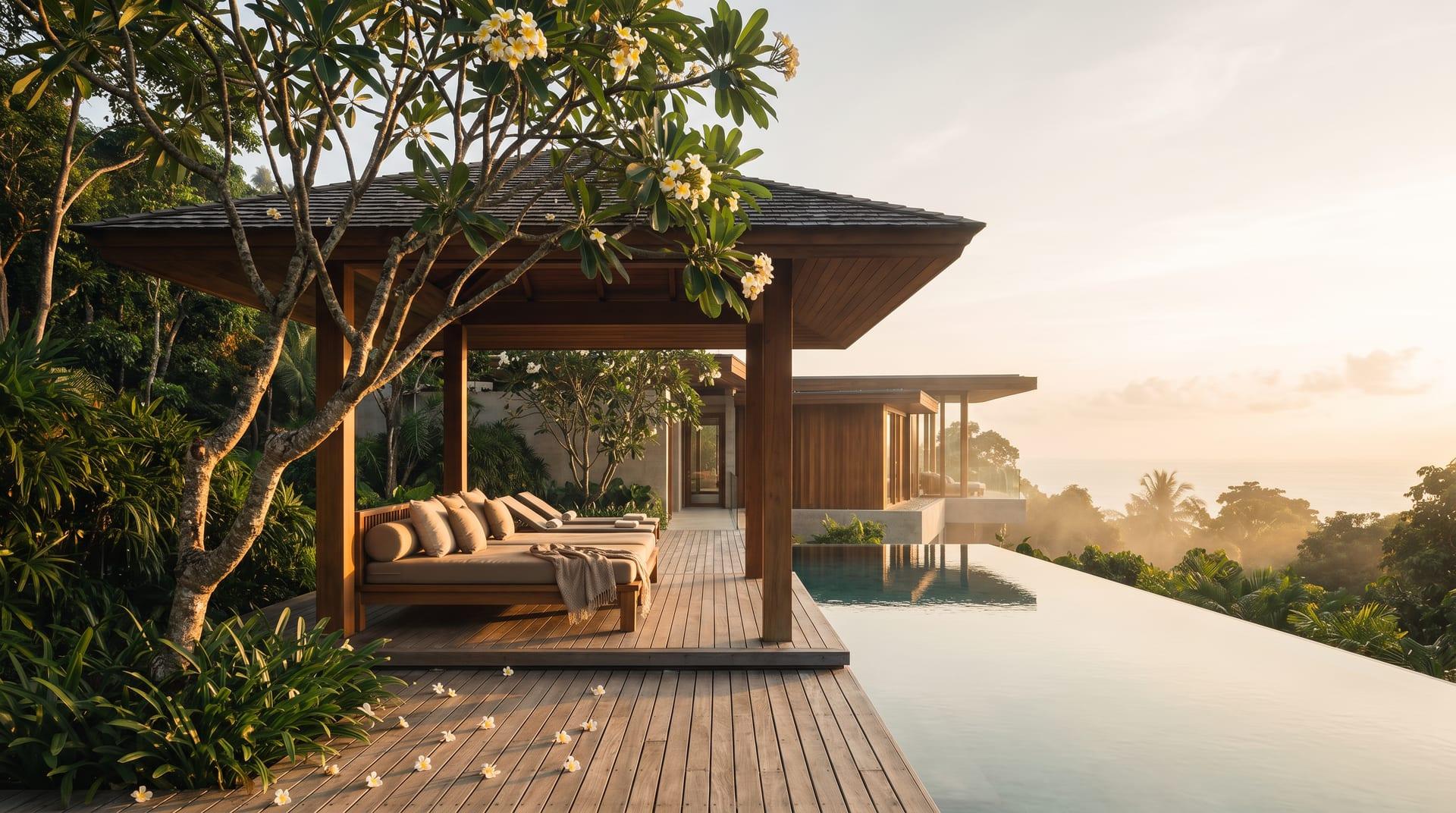
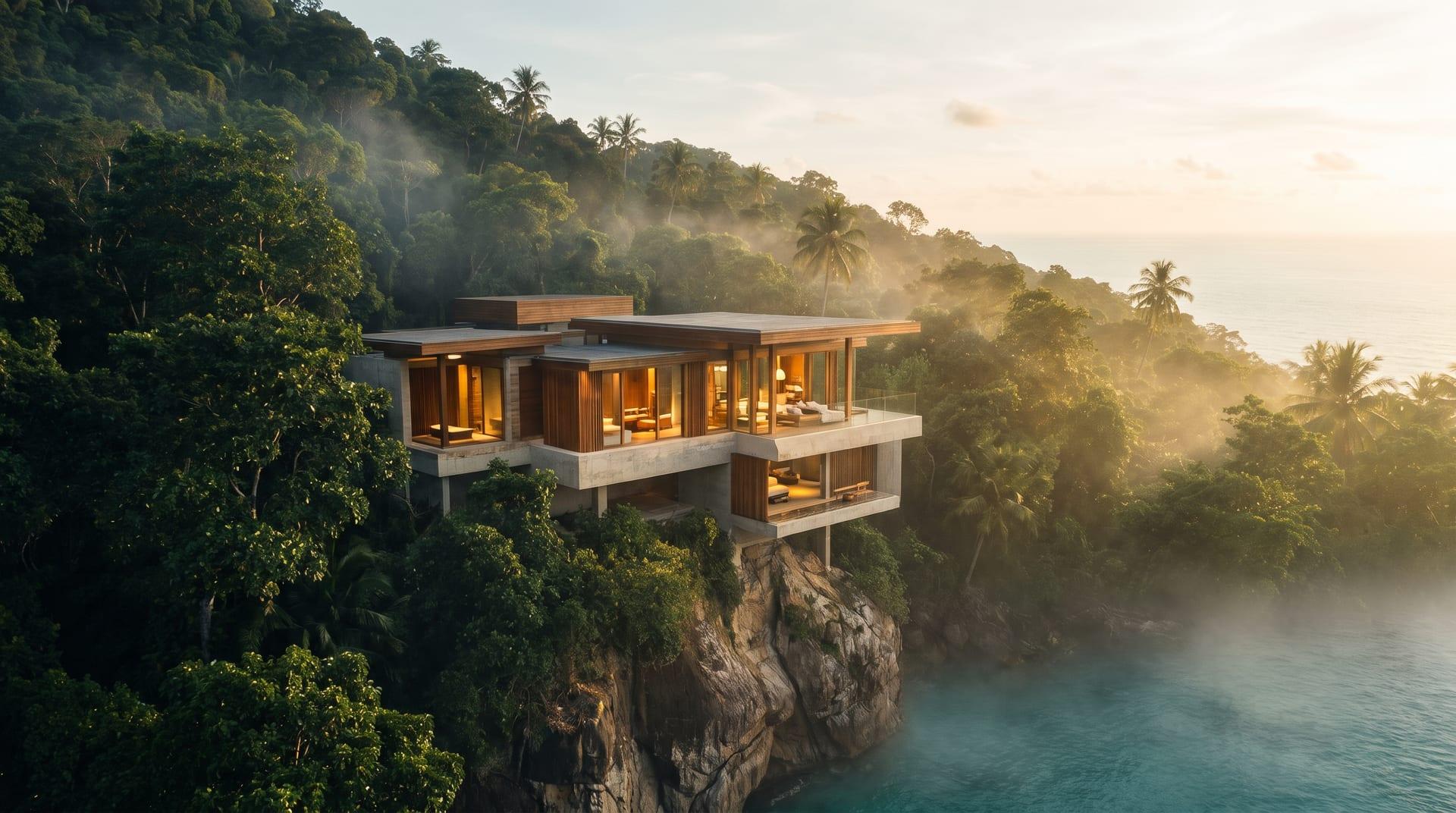
- Space and privacy you cannot buy at home for the money: a garden, a pool, rooms for family and guests, often a view of the Andaman Sea.
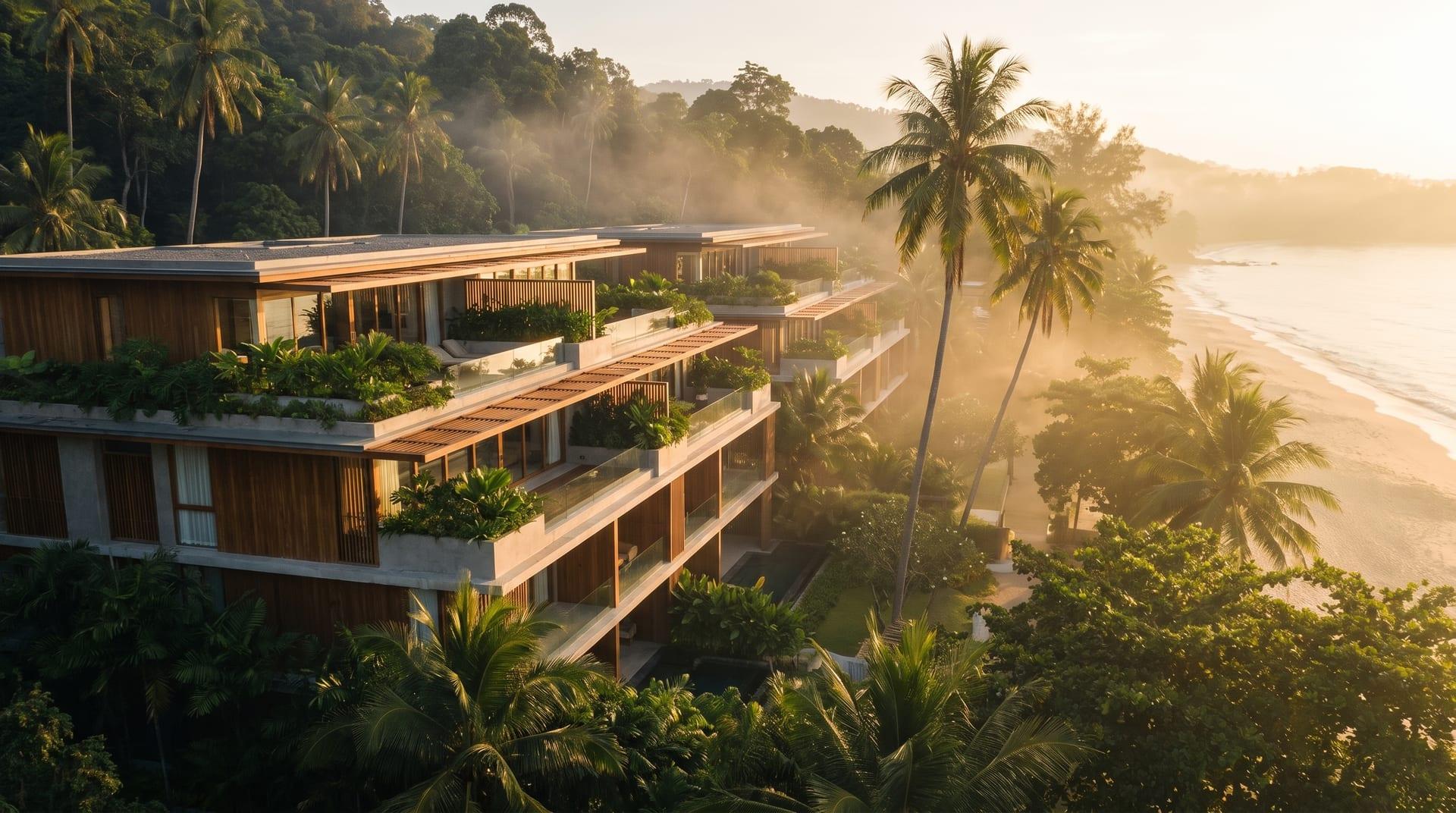
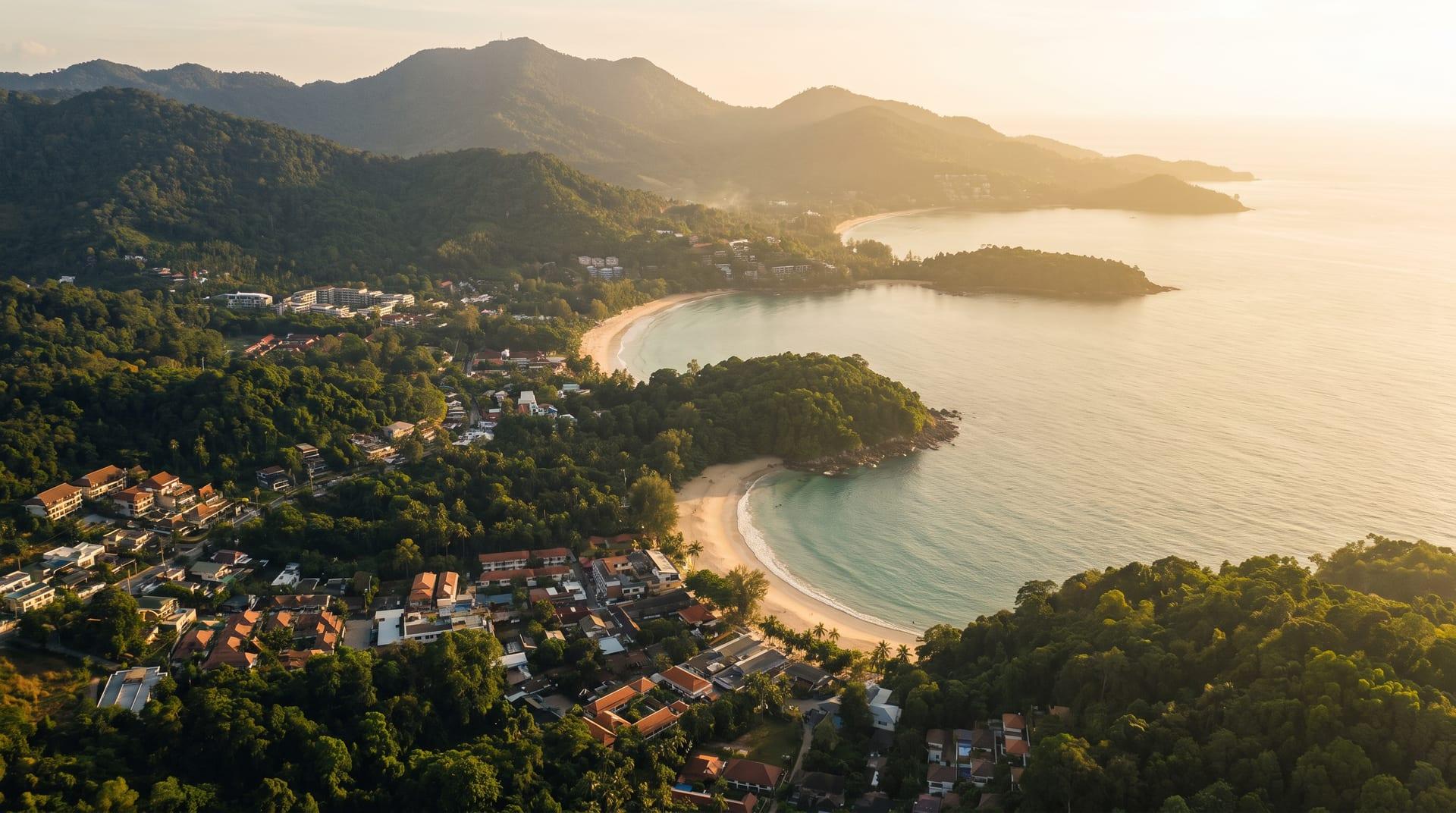
- Nature on the doorstep: rainforest hills, more than thirty beaches, islands an hour away by boat, warm sea all year.
- Real infrastructure: international hospitals, several international schools, supermarkets, marinas and golf, and an airport with direct flights to Asia, the Middle East and, seasonally, Europe and Russia. Phase 2 of Phuket International Airport is designed to raise capacity from 12.5 to 18 million passengers a year.
- A large international community: Russian-, English- and Chinese-speaking residents, so services in your language are easy to find.
- A liquid market by regional standards: Phuket records the highest foreign condo transfer value of any Thai province, and villa sales rose 12.9% in 2025 according to Knight Frank.
The case against: what to accept before you buy
A good decision weighs these honestly.
- You do not own the land. A foreigner buys a villa on a registered 30-year lease plus the house. Renewals are promises, not rights. See our freehold vs leasehold guide.
- Company shortcuts are risky. Villas offered "freehold" through a Thai company often rely on nominee shareholders, which the authorities are actively investigating in 2026. See our company guide.
- Rental income is modest and regulated. Nightly rentals need a hotel licence or an exemption. Developer projections of 6–8% are gross; net returns are usually well below brochure figures and must be calculated for the specific villa (one premium developer describes 3–6% a year).
- The climate costs money. Humidity, salt and monsoon rain wear roofs, timber and equipment; budget for maintenance every year.
- Resale is slower than buying. Leasehold value falls as the term shortens, and resale competes with new projects on instalment plans.
- Traffic and construction. Popular areas are busy in high season, and neighbouring plots can be built on.
None of these is a reason not to buy. Each is a reason to buy the right villa, at the right price, with the right paperwork.
Villa or condo?
| Villa | Condo | |
|---|---|---|
| Ownership for a foreigner | 30-year lease + house | Freehold in the 49% quota |
| Typical entry (developer asking, Oct 2026) | well above USD 800,000 | around USD 150,000 |
| Privacy and space | High | Limited |
| Maintenance | Your responsibility | Shared via common fees |
| Lock-and-leave | Needs a caretaker | Easy |
| Legal nightly rental | Licence or exemption needed | Only in licensed buildings |
| Resale market | Narrower, term-sensitive | Wider |
A villa makes most sense when you will use the space: family life, long stays, guests, a garden and pool you will actually enjoy. A condo makes sense for short visits, a lower budget, freehold ownership and minimal upkeep. Our condo vs villa guide goes deeper.
Where buyers choose villas, and why
- [Bang Tao and Layan](/districts/bang-tao): the deepest villa market, close to the airport, beach clubs, international schools and Boat Avenue. Enquiry data puts the Cherngtalay area first for buyer interest.
- [Kamala](/districts/kamala): hillside villas with sunset sea views, quieter village life, premium prices per square metre.
- [Rawai](/districts/rawai) and [Nai Harn](/districts/nai-harn): year-round residential south, a strong long-stay community, consistently second in buyer enquiries.
- [Kathu](/districts/kathu): inland, golf, schools and space for the money; benefits most if the Kathu–Patong expressway is built.
- [Cape Panwa](/districts/panwa): quiet east-coast headland with sea views on several sides, few but high-value projects.
Our best areas guide compares them in detail, with developer asking prices per area.
What makes a specific villa worth its price
When we film and list a villa, these are the questions we answer on its page, and the ones you should ask of any villa:
- What exactly will be registered in your name, and for how long? Lease on a Chanote, right over the house, remaining years.
- What does it cost to live in? Last year's bills, estate fees, maintenance reserve.
- Can it legally take nightly guests, and what has it really earned? Licence or exemption, booking statements.
- How does it sit in its place? Access in the rainy season, slope, neighbours, noise, sun, view protection.
- How does the price compare? Asking prices per square metre for comparable villas nearby.
- Who will buy it from you? Remaining term, paperwork quality, appeal to the next buyer.
Every villa page on The Phuket List includes a drone flyover, a 3D tour and these answers. Browse pool villas, or tell us what you want and we will shortlist and film options for you.
Questions buyers ask
Is buying a villa in Phuket a good investment?
It can be a good purchase, but it is rarely a pure investment. You hold a 30-year lease, net returns are usually well below brochure figures, and resale depends on term and paperwork. Buyers who are happiest use the villa themselves and treat rental income as a contribution to costs.
How much does a villa in Phuket cost?
New villas listed by developers have a median entry price of about USD 875,000 and a median of about USD 2,600 per m² (Layan index, October 2026). Prices range widely: smaller villas inland or in the south start lower, while sea-view villas in Layan, Surin and Kamala cost much more.
Can I live in my Phuket villa all year?
Owning a villa does not give you a visa. To stay long term you need a suitable visa such as a DTV, Thailand Privilege, retirement or LTR visa. Many owners combine one of these with their villa; our visa guide compares the options.
Should I buy a villa or a condo in Phuket?
A villa if you will use the space and privacy: family life, long stays, guests. A condo if you want freehold ownership, a lower budget, easy lock-and-leave and simpler resale. Both can work for rental income only through a legal rental route.
Sources
Editorial guidance, not legal or tax advice. Thai rules change; confirm your case with an independent Thai lawyer before paying a deposit.