Can a foreigner get a mortgage in Thailand?
Sometimes, but plan as if you cannot. Thai banks lend mainly to Thai residents with Thai income. Lenders that have offered foreigner home loans, historically including UOB Thailand and ICBC (Thai), have done so under narrow conditions, and public information in 2026 does not show a broad, open programme for non-resident buyers.
Where a Thai loan is possible, expect:
- A freehold condo, not a leasehold villa. A lease is a weaker security for a bank, and land cannot be mortgaged by a foreigner who does not own it.
- Residency or Thai income: a work permit, a long-term visa, or a salary paid in Thailand.
- A lower loan-to-value: commonly 50–70%, with 30–50% down payment.
- Higher rates than locals pay, and shorter terms.
- Mortgage registration at the Land Office: 1% of the loan amount.
Developer instalments: the most common route
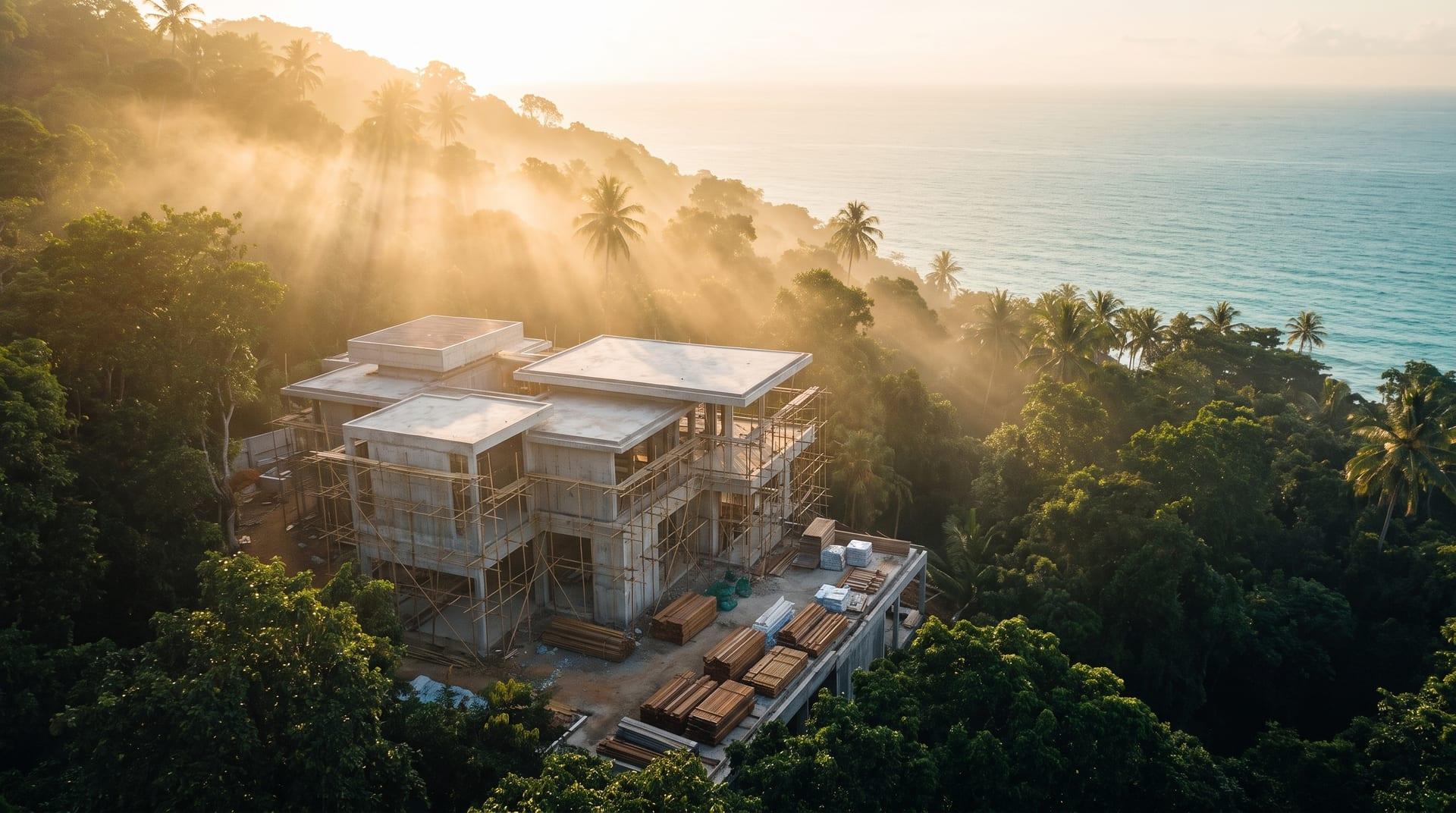
For off-plan property, developers spread the price over construction. A typical schedule:
| Stage | Typical share |
|---|---|
| Reservation | 100,000–500,000 THB |
| Sale and purchase agreement | 25–35% |
| Construction milestones over 24–36 months | 30–50% in stages |
| Handover and transfer | the balance |
This is usually interest-free and needs no bank approval, which is why it is popular. It is also where most of your risk sits: money paid during construction is exposed to the developer. Tie payments to verified construction milestones rather than calendar dates, keep the final payment meaningful, and read our off-plan guide before you sign.
Developer finance after handover
Some developers offer to carry part of the price for several years after completion. Read the cost carefully: the interest rate, whether title transfers before you finish paying, what happens if you miss a payment, and whether the price was raised to fund the offer. A discount for cash is sometimes worth more than the finance.
Borrowing in your home country
Many buyers finance a Phuket purchase with a loan secured on assets they already own: remortgaging a home, a securities-backed loan from a private bank, or a business credit line. Rates are often lower than anything available in Thailand.
Things to weigh:
- Currency risk. You borrow in euros, pounds or dollars and own an asset priced in baht. If the baht weakens, your property is worth less in your loan currency.
- The FET rule still applies. For a freehold condo, the borrowed money must be sent from your account abroad in foreign currency.
- Tax at home. Interest relief and reporting rules differ by country; check with your adviser.
- Rental income does not service most loans by itself. Net yields on managed Phuket villas are usually well below gross projections (one premium developer describes 3–6% a year) before your own tax (see our rental yield guide); compare that with your loan rate honestly.
For buyers from Russia and the CIS, borrowing in a home bank and sending it to Thailand runs into the same practical payment-route questions covered in our money transfer guide.
Comparing the options
| Route | Works for | Main cost | Main risk |
|---|---|---|---|
| Cash | Everyone | Opportunity cost | Concentration in one asset |
| Developer instalments (construction) | Off-plan | Usually none | Developer delivery |
| Developer finance (after handover) | Some projects | Interest, often high | Title and default terms |
| Thai bank mortgage | Residents buying condos | 1% registration + interest | Approval, rates |
| Home-country loan | Owners of assets abroad | Interest at home | Currency, tax |
Whichever you choose, build the budget on the full cost: price, transfer costs, furniture and set-up, a year of running costs and a reserve. Our taxes and fees guide gives the numbers, and we can walk you through a budget for a specific property.
Questions buyers ask
Which Thai banks give mortgages to foreigners?
A few banks, historically including UOB Thailand and ICBC (Thai), have lent to foreigners for condos under strict conditions such as residency, Thai income and large down payments. Products change often and none offers a broad non-resident programme publicly in 2026. Ask the bank directly and get approval in writing before you commit.
Can I get a mortgage on a villa in Phuket?
Very rarely from a Thai bank. A foreigner cannot mortgage land they do not own, and banks are reluctant to lend against a lease. Villa buyers usually pay cash, use developer instalments during construction or borrow at home against other assets.
Are developer payment plans safe?
They are convenient and usually interest-free, but your money is exposed to the developer until handover. Reduce the risk by checking permits and the developer's track record, tying payments to construction milestones and keeping a substantial final payment due at transfer.
Can rental income pay my mortgage?
Rarely in full. Net returns on managed villas are usually well below gross projections (one premium developer describes 3–6% a year) before personal tax, and income is seasonal. Plan to service any loan from other income and treat rent as a contribution, not the repayment plan.
Sources
Editorial guidance, not legal or tax advice. Thai rules change; confirm your case with an independent Thai lawyer before paying a deposit.