Risk 1: buying a lease you think is ownership
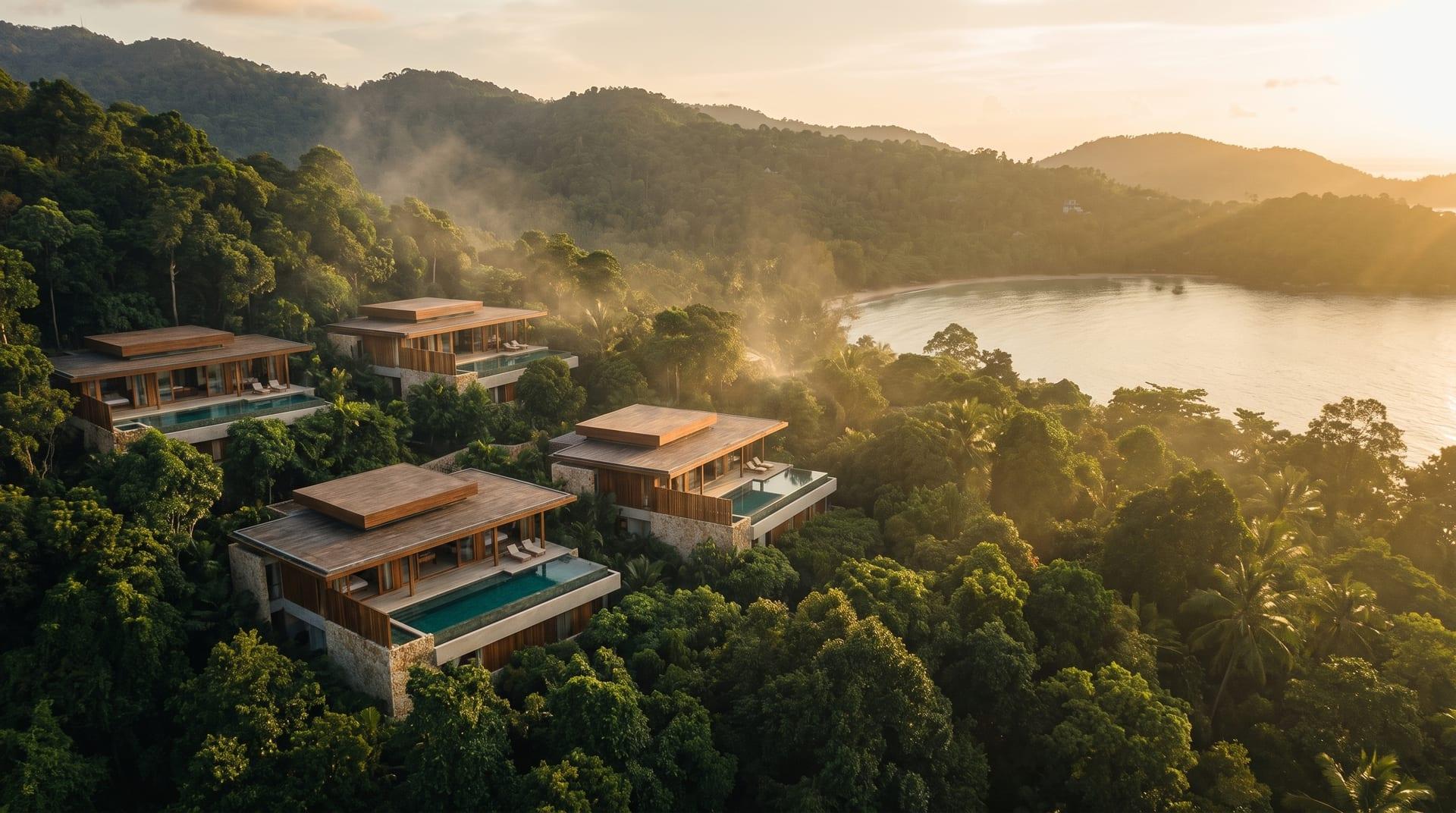
For foreign buyers, a villa is commonly a land lease (30 years registrable) plus rights to the house. Marketing words like "freehold villa", "99 years" or "like ownership" hide that. The 30+30+30 renewal promise is contractual and a 2023 Supreme Court decision did not enforce a renewal beyond 30 years on its facts.
Check: the registered lease term on the title deed, who owns the land, and what the contract says happens at the end. See can a foreigner buy a house in Phuket.
Risk 2: off-plan without protection
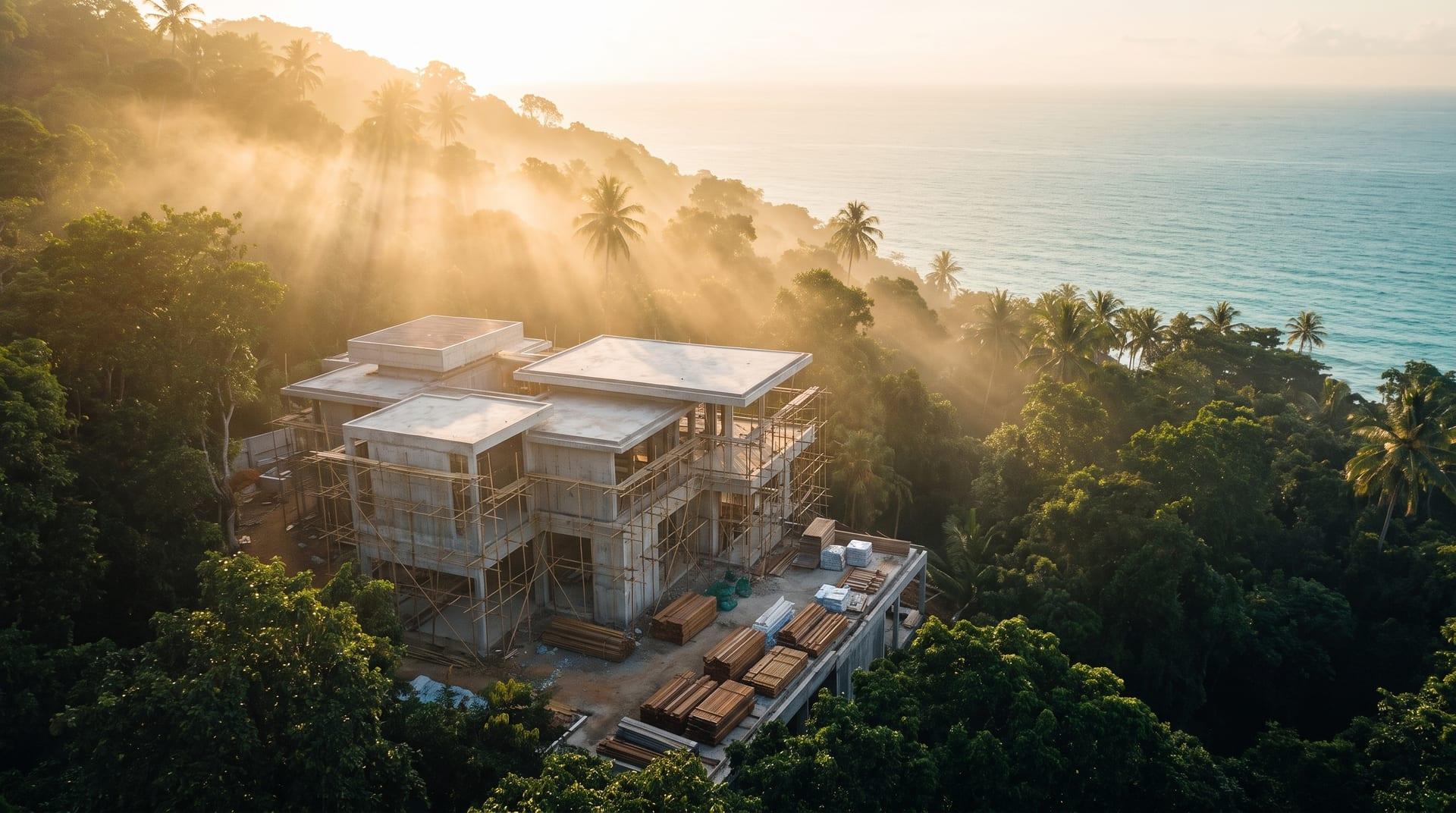
Most new condos and many villas are sold before completion, with a reservation of 100,000–500,000 THB, 25–35% at contract and milestones over 24–36 months. Escrow under the Escrow Act exists but is optional, and most developers do not offer it. Delay penalties in standard contracts are often tiny.
Check: construction permit and EIA approval (triggered for residential buildings of 80 units or 4,000 m² of usable area and more; Phuket has extra local rules, so ask a lawyer to check the specific plot), land title in the developer company's name and free of mortgage or with the bank's consent, the company and its directors at the Department of Business Development, and projects the developer has actually completed. Ask for escrow and a meaningful delay penalty. More in off-plan property in Phuket.
Risk 3: guaranteed returns
"7% guaranteed for 5 years" is a promise by a company, usually the developer or its operator, often funded from the purchase price itself. If the hotel side underperforms, the guarantee is renegotiated or stops. Rentals of less than 30 days also need a hotel licence or an applicable exemption under the Hotel Act, and separately many condo bylaws ban them.
Check: who pays the guarantee, from which revenue, what happens after the guarantee period, and whether the building is licensed for short stays. Calculate the return without the guarantee. See rental yield in Phuket.
Risk 4: nominee companies and the condo quota
A Thai company with nominee Thai shareholders is a criminal offence, and Phuket companies were inspected in June 2026 (10 suspected nominees, 39 under investigation). For condos, foreign freehold ownership is capped at 49% of the total unit floor area; popular buildings fill it, and then you are offered leasehold instead.
Check: never sign up to a company where Thai partners did not invest their own money. For condos, get written confirmation of the foreign quota from the juristic office and the usual route is to transfer foreign currency from abroad so the bank can issue the foreign-exchange record the Land Office needs. See transferring money and the FET.
A safe buying sequence
- Shortlist with real costs and the ownership structure written next to each price.
- Hire an independent Thai lawyer before the reservation.
- Pay a refundable reservation only after the title and permits are in your lawyer's hands.
- Let the lawyer review the sale, lease and building-right contracts before you sign.
- Pay into the account named in the contract, from abroad, keeping every bank record.
- Register at the Land Office in person or by power of attorney.
Rules change; confirm with an independent Thai lawyer before paying a deposit.
Questions buyers ask
Is it safe to buy property in Thailand as a foreigner?
Yes, if the structure is legal and checked: freehold condos within the foreign quota, or registered leases for villas, with an independent lawyer, permits verified and money sent from abroad. Most problems come from nominee companies, unprotected off-plan deals and promised returns.
What is the biggest risk when buying off-plan in Phuket?
Paying most of the price before completion with no escrow and weak delay penalties. Check the permit, EIA, land title in the developer's name and completed projects, and ask for escrow.
Sources
Editorial guidance, not legal or tax advice. Thai rules change; confirm your case with an independent Thai lawyer before paying a deposit.